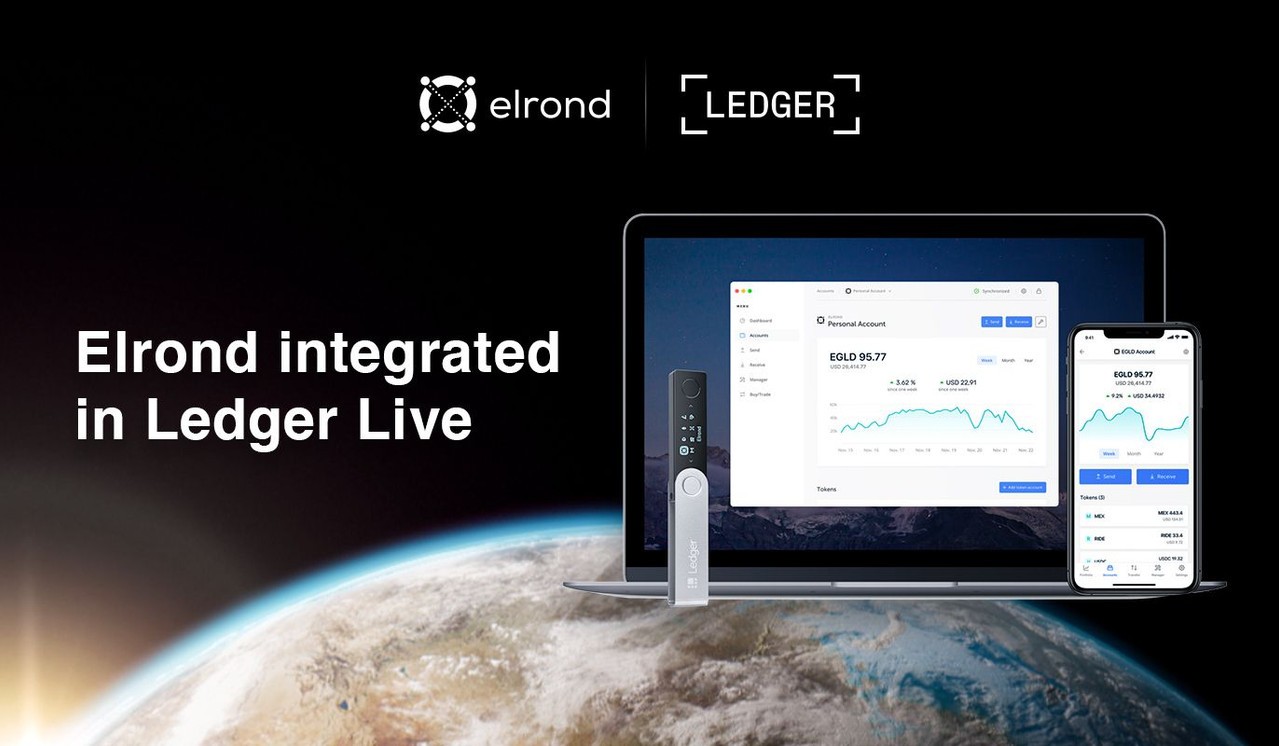
Ledger Live Login — A Deep, Beginner-Friendly and Mid-Level Guide to Accessing Your Ledger Wallet Safely
Most people entering crypto eventually hear about Ledger Live login, but very few understand what it actually means. They assume it works like logging into a website or entering an ID and password on a cloud platform. But Ledger’s entire philosophy is different. Ledger Live is not an online account. It’s not a cloud wallet. It’s not a web-based login tool. It is a local, security-driven crypto management application that works side-by-side with your Ledger hardware wallet.
This long-form guide explains Ledger Live login from every angle: the beginner basics, how authentication works, the logic behind the app password, advanced security habits, and the real risks users often overlook. Whether you’re brand new to crypto or moderately experienced, this article will build your understanding layer by layer so you can operate Ledger Live confidently and securely.
1. What “Ledger Live Login” Actually Means
Many newcomers expect Ledger Live to behave like Google, Binance, or Coinbase:
– a website
– a username
– a password
– maybe some 2FA
But Ledger Live is nothing like that. There is no cloud login, no central database, and no server verifying your identity. The Ledger Live login system is simply:
A local application password that you set
A Ledger device PIN
Physical confirmation of every transaction
And your 24-word recovery phrase, stored offline
You’re not logging into an account — you’re unlocking a local dashboard that interacts with your hardware wallet.
Think of it like entering the cockpit of an airplane. The cockpit door isn't the plane’s engine. It’s just the entrance. The controls (your Ledger device) determine what actually happens. The Ledger Live login password protects your privacy, but your Ledger hardware wallet protects your funds.
2. Why Ledger Live Works Locally, Not Online
Ledger’s design philosophy is centered on one idea:
“Private keys must always stay offline.”
If Ledger introduced a cloud login, users would expect cloud backups, online access, mobile web access, and remote recovery. That would put keys at risk. Ledger avoids this completely by ensuring:
Your keys NEVER leave your Ledger device
Your Ledger device NEVER exposes your recovery phrase
Your Ledger Live app NEVER handles private keys
Your funds CANNOT move without pressing physical buttons on the device
This separation is why Ledger is considered ultra-secure.
The login is not an identity check — it’s a privacy shield for your dashboard.
3. Downloading Ledger Live — The Most Overlooked Risk
Before you even set up Ledger Live login security, there’s one crucial step: downloading the correct software.
Fake Ledger Live downloads are a huge problem in the crypto space. Scammers create copies of the app that look identical but contain code designed to:
steal recovery phrases
track your keystrokes
imitate transactions
redirect assets to attacker wallets
To avoid this:
Type the official domain manually
Never trust ads or video descriptions
Ignore Telegram or Discord “admins”
Avoid shady unofficial blogs linking installers
If you get Ledger Live from the wrong place, no login system will protect you. The foundation of your security starts with a legitimate installation.
4. Installing Ledger Live — The First Encounter With the Login Process
When you open Ledger Live for the first time, the app will guide you through initial setup. One of the earliest steps is deciding whether to enable the Ledger Live password lock.
This is where many beginners misunderstand the purpose of the password.
It’s not a backup for your device. It’s not a substitute for your recovery phrase. It’s not used to authorize transactions.
The Ledger Live login password does one thing:
It locks your app so nobody else can view your portfolio or access your interface.
Without it, anyone using your computer can open Ledger Live and see:
how much crypto you own
which assets you hold
how often you transact
the apps you installed on your Ledger device
labels, notes, and account names
For privacy alone, enabling a password is essential.
5. Creating a Strong Ledger Live Login Password
The password doesn’t need to be complicated like a bank vault code, but it must be strong enough to resist guessing. Avoid simple patterns like:
crypto123
your name + year
hello123
pass@2025
A strong password includes:
Length (12+ characters)
Mixed symbols
Mixed uppercase/lowercase letters
Numbers not tied to personal info
This password is only used for the Ledger Live app, not your Ledger device.
6. Understanding the Relationship: Ledger Device vs. Ledger Live Login
A major misunderstanding among beginners is thinking that the Ledger Live password protects funds. It does not.
Here’s how the security layers truly work:
1. Ledger Live password
Protects your dashboard only.
2. Ledger device PIN
Protects access to your hardware wallet.
3. 24-word recovery phrase
Controls the ownership of your crypto.
You can think of these like layers of a fortress:
The Ledger Live password is the outer gate: it keeps random people from peeking inside.
The Ledger device PIN is the armored door: it stops intruders from accessing your device.
The recovery phrase is the master key: anyone who gets it owns the castle.
Understanding this hierarchy is crucial for long-term crypto safety.
7. Connecting Your Ledger Device During the Login Flow
Once you open Ledger Live and unlock it with your password, you’ll often need to connect your Ledger device. The login process becomes a combination of:
unlocking the app
unlocking your Ledger device
opening the correct app inside the device
For example, if you want to send Ether:
Open Ledger Live
Enter your Ledger Live password
Plug in your Ledger device
Enter your device PIN
Open the Ethereum app on the device
Approve the transaction with physical buttons
This multi-step flow is intentional. It removes remote attack vectors and forces human control at every critical point.
8. What Ledger Live Shows After You Log In
Once you’re inside the app, the dashboard is divided into several key areas:
Portfolio Overview
A visual summary of:
total balance
individual assets
recent movements
value fluctuations
This is where most users spend their time.
Accounts Section
Each asset has separate accounts, which show:
transaction history
confirmations
fees
sending/receiving activity
This is where real blockchain data gets displayed.
Manager
A system where you install and manage apps on your Ledger device. If you hold 10 different cryptocurrencies, you will likely install 10 different apps on the hardware wallet.
Discover / Services
Access to:
buying crypto
swapping
staking
DeFi protocols
external dApps
partner services
Logging into Ledger Live isn’t just about checking balances — it’s a full ecosystem.
9. The Ledger Live Mobile Login Experience
Some users prefer the mobile version of Ledger Live. It connects to Ledger Nano X wirelessly through Bluetooth, or via cable on certain devices. Mobile login introduces a few additional risks:
malware apps
screen peeking
shoulder surfing
other people accessing your phone
autofill vulnerabilities
To secure mobile Ledger Live:
Enable password lock
Enable Face ID or fingerprint
Disable screenshots if possible
Avoid using the app in crowded places
Your phone is often more exposed than your laptop, so the mobile login experience must be handled carefully.
10. Advanced Security: Strengthening Your Ledger Live Login Setup
Once you feel comfortable with the basics, you can take your Ledger Live login security to a more professional level. This is where mid-level users often make improvements that drastically reduce long-term risk.
1. Use Ledger Live on a separate device
Some people keep a dedicated:
laptop
tablet
or phone
just for crypto. This isolates risk from your everyday browsing, downloading, and communication activities.
2. Enable Ledger Live auto-lock
This feature automatically re-locks the app after a set time. It protects your dashboard when you step away.
3. Disable browser extensions while using Ledger Live
Extensions can scrape data, capture screens, or inject malicious scripts. Using a clean browsing environment is safer.
4. Avoid syncing Ledger Live data to cloud backups
Never upload Ledger Live configuration files to any cloud service.
5. Use a passphrase (optional advanced technique)
A passphrase creates a hidden, second layer of wallets that open only with a secret phrase added to your recovery words. It’s an extremely powerful feature when used correctly.
11. Common Ledger Live Login Mistakes to Avoid
People often make avoidable mistakes that weaken their security. Here are the most frequent ones:
Mistake 1: Treating Ledger Live like a password manager
Ledger Live does not store keys. It only displays what your device controls.
Mistake 2: Entering the recovery phrase into Ledger Live
Ledger Live never requires or asks for this. If you see a prompt, it's a scam.
Mistake 3: Sharing your screen with strangers
Many scammers pretend to be “support agents” and ask you to show your Ledger Live screen.
Mistake 4: Saving the Ledger Live password in plain text
Avoid storing your password in note apps, photos, or cloud files.
Mistake 5: Leaving Ledger Live unlocked
Even though funds remain safe, privacy matters. Anyone reading your portfolio can target you.
12. What If You Forget Your Ledger Live Login Password?
This scenario happens more than people admit. Ledger Live login passwords don't control your wallet — they only control access to the interface. So if you forget your password:
Reset Ledger Live
Reinstall the app
Reconnect your Ledger device
Re-add your accounts
Your crypto remains untouched.
Your funds stay safe, because they’re secured by the hardware wallet, not the app.
13. What If Your Ledger Device Is Ever Lost?
Even if you use Ledger Live correctly, your Ledger device might get:
lost
stolen
damaged
broken
But your security doesn’t depend on the device itself. It depends entirely on your 24-word recovery phrase.
With those 24 words, you can recover your wallet on:
a new Ledger device
a different hardware wallet brand
any BIP39-compatible system
If you lose the device but keep your recovery phrase safe, nothing is lost.
If you lose the recovery phrase, then everything is at risk.
14. Realistic Scenarios Involving Ledger Live Login
Sometimes users learn best through real-world stories. Here are simplified versions of common situations people face.
Scenario 1: Ledger Live password saved a user from nosy friends
Someone opened Ledger Live on a shared computer. Because the password lock was enabled, their friends couldn't see the user’s large crypto holdings. A simple password prevented unwanted attention.
Scenario 2: A malware attack couldn’t bypass the hardware wallet
A user downloaded a malicious file that attempted to send a transaction. But the Ledger device didn’t approve it. The attacker had no way around the hardware confirmation.
Scenario 3: A family member tried to “help”
A relative opened Ledger Live out of curiosity. The password protected the user’s privacy.
These examples highlight the importance of both the login process and the physical device.
15. Ledger Live Login Is a Habit, Not a Feature
The more you use Ledger Live, the more natural the login process becomes:
typing your password
plugging in the device
entering your PIN
approving actions button-by-button
This ritual is not an inconvenience — it’s security in action. Crypto is self-custody. Responsibility and protection merge into everyday habits. Ledger Live login is part of that discipline.
FAQ — Ledger Live Login
1. Does Ledger Live have a cloud-based login system?
No. Ledger Live is completely local. There is no email or online login account.
2. Can someone steal my crypto if they learn my Ledger Live password?
No. They can only see your dashboard. They cannot move funds without the hardware wallet.
3. If I forget my Ledger Live password, do I lose access to my assets?
Not at all. You can reset Ledger Live and reconnect your hardware device.
4. Should I ever enter my 24-word recovery phrase into Ledger Live?
Never. If anything asks for it, it's a scam.
5. Can I use Ledger Live on multiple devices?
Yes. You can install Ledger Live on multiple computers or phones and pair them with the same Ledger device.
6. Does Ledger Live store my private keys?
No. Your private keys stay in your Ledger hardware wallet.